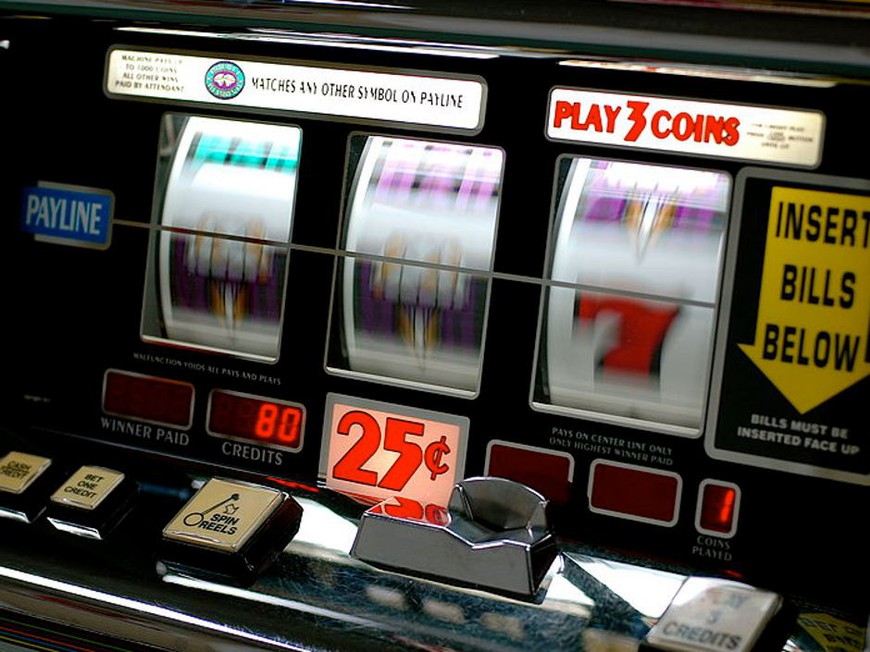
I recall the first time I took a seat at a digital blackjack table with actual cash on the line. The mechanics and feel were exactly like the free-play version I had trained on, but the whole experience changed. Real money casino games maintain the identical rules and interfaces you may recognize from demo mode, then introduce one critical layer: financial risk and reward. To comprehend them, you have to understand the gameplay and the systems that handle your funds, ensure fairness, and determine results in a controlled environment.
1. Základní Rozdíl Between Demo režimem and Real Money Mode
V kasinu jako je Slottio Casino, every casino game existuje in two parallel versions. The free-play or demo mode pracuje s virtual credits with no monetary value. Můžete roztočit a slot libovolně dlouho, lose every credit, a znovu načíst stránku to get a fresh balance. The interface, reel mechanics, and paytable jsou stejné mezi oběma režimy. Jediný skutečný rozdíl je význam kreditů a co se stane, když relace skončí.
Přepněte do real money mode and those same credits se promění v a direct reflection vaší vložené částky. Roztočení v hodnotě 0.20 credits nyní odebere 0.20 from your cash balance. Vítězné kombinace přidávají peníze k výběru na účet. Tato změna také spouští several background processes you never see in demo play: payment verification, session tracking for regulatory audits, and anti-fraud checks tiše běžící on every transaction. Hra funguje stejně, ale finanční mechanismus kolem ní se zapíná.
Mentální změna má stejnou váhu jako technická stránka. I have watched players zacházet se stejnými šancemi odlišně jakmile jsou v sázce skutečné peníze. Bet sizing se stává promyšlenou instead of experimental. Volba her se přesouvá k titles s RTP, které si dohledali. The entertainment stays, ale stojí vedle reálných finančních rozhodnutí. Tato směs vymezuje tuto kategorii a odlišuje ji od čistě rekreační hry.
3. The Real Money Game Categories You Will Encounter
Real money casino games are divided into various distinct groups, each having its own math and decision-making burden. Slots lead every lobby in terms of numbers. They vary from classic three-reel formats with a single payline, to video slots with five or more reels and dozens of paylines, to progressive jackpot titles where a fraction of every stake feeds a pooled prize that can grow to substantial money. The appeal is pure luck, with no strategy needed beyond picking your stake and your game.
Table games introduce skill elements that alter expected returns based on your decisions. Blackjack is the best example. Basic strategy charts tell you the statistically optimal move for every combination of your hand and the dealer’s upcard. Follow those charts exactly and the house edge narrows to fractions of a percent. Depart by instinct and the edge expands noticeably. Roulette functions differently: you select risk-reward ratios by putting chips on single numbers, groups, or colors, but no decision modifies the built-in house edge, which is at 2.70% for European single-zero wheels.
Live casino games bridge software and physical reality. A human dealer in a studio handles real cards or spins a physical wheel, Slottio Casino, while cameras stream every movement to your screen. You make bets through a digital interface, but the result comes from physical mechanics rather than an RNG. This category covers live blackjack, live roulette, live baccarat, and game-show-style formats like Dream Catcher or Monopoly Live that mix wheel spins with augmented reality graphics.
Video poker and specialty games round out the picture. Variants like Jacks or Better or Deuces Wild run on five-card draw mechanics, and their paytables let you calculate an exact optimal strategy. Some specialty games resist simple grouping: virtual scratch cards, bingo variants, and keno all pick numbers and can fit players who want short sessions with fixed-cost entries.
7. Bonuses, Wagering Requirements, and the Terms That Controls Them
Almost every real money journey begins with a bonus offer. A matched deposit bonus provides you with extra funds in relation to your first deposit, such as a 100% match up to a set amount. Free spins packages allocate a fixed number of spins to specific slot titles, often credited in batches over several days. Cashback offers give back a percentage of net losses over a defined period as real, sometimes withdrawable, funds. Each type changes your starting balance, but none comes without conditions.
Wagering requirements sit at the center of those conditions. A 35x wagering requirement on a bonus means you must place bets totaling 35 times the bonus amount before any bonus-derived winnings become withdrawable. Take a $100 bonus: you need to wager $3,500. Different game categories count unequally toward that target. Slots typically contribute 100%, so every dollar wagered counts fully. Table games like blackjack or roulette might apply 10% or even 0%, a detail I often see players miss until a withdrawal attempt halts.
7.1 Looking Past the Headline Number
Maximum bet limits during bonus play, game eligibility restrictions, and time windows add more structure. A common rule caps bets at $5 per spin or hand while a bonus is active. Going over that cap can nullify the bonus and any resulting winnings. Time limits, often 30 days, mean you must complete the wagering or lose the bonus. I consider these terms as part of the cost-benefit analysis before accepting any offer. A generous headline amount paired with a short completion window and restricted game contributions can be worth less than a modest offer with player-friendly terms.
7.2 The Difference Between Bonus Funds and Real Balance
Your account balance splits into two pools once a bonus activates. The cash balance, drawn from your deposit, usually plays first. The bonus balance is locked until you meet wagering requirements, or in some setups only triggers after the cash balance runs out. Withdrawal requests typically void any active bonus and remove the associated funds. Knowing which pool pays for a given spin reveals what a win actually means for your withdrawable total. This mechanical detail influences session strategy more than many newcomers realize.
6. Device Compatibility and the Mobile Real-Money Experience
Games for real money do not need a dedicated app on any platform. Many current casino software operates straight in mobile browsers through HTML5. That same slot or blackjack live table that loads on your desktop adapts its layout to a smartphone screen without manual effort. Controls by touch substitute mouse clicks. Game logic, RNG, and payout structures stay exactly the same across devices. Nothing in the real-money formula changes when you move from laptop to phone.
Native apps, if available, add convenience. They store login credentials securely, push alerts for promotions or live tournament starts, and sometimes support biometric login through a finger scan or face scan. The core gaming experience still works in a browser. I recommend to players to check browser performance on their personal device before installing an app. A reliable internet connection is far more important for live casino streams than if the interface opens through an app icon or a URL.
One practical problem with mobile play is the interface of the cashier. Depositing through a mobile browser should come across as as protected as on desktop. Check for the identical padlock symbol in the address bar. Requests for withdrawals typically pass through the identical mobile cashier, though uploading KYC documents may be simpler on a bigger screen where you can photograph or scan them clearly. The money pipeline does not split between devices; it is one unified system reached through differing display sizes.
2. How Random Number Generators and Return to Player Percentages Determine Every Outcome
Every licensed real money game operates on a Random Number Generator, or RNG. The software produces thousands of unpredictable number sequences each second, even when no one is playing. When you hit spin or request a card, the system grabs the latest number from that stream and converts it into a specific result. For a slot, that dictates which symbols show up in each reel position. For blackjack, it decides the next card out of the virtual shoe.
Regulated casinos have their RNGs verified by independent laboratories whose whole business hinges on credibility. I mean organizations including iTech Labs, GLI, and eCOGRA. They run billions of simulated rounds and match the actual distribution of results against the mathematically expected frequencies. If a slot indicates a cherry symbol should show up 5% of the time on reel three, the testers check that over millions of spins the observed frequency lands within a fraction of a percent of that number. Certification signifies the RNG passed statistical randomness tests that no human could distinguish from true randomness.
Player Return Rate, or RTP, flows straight from how the RNG is programmed. A 96% RTP doesn’t imply you individually get back 96% of every deposit. It indicates that across all players and all spins on that game over its lifetime, total wagers and total payouts land at that ratio. The 4% gap is the house edge, which maintains the casino running, pays staff, and funds new games. Individual sessions can swing wildly. I have seen a 96% RTP slot deplete a balance in thirty minutes and triple it in ten. The percentage represents the long arc, not your evening.
2.1 Volatility: The Neglected Counterpart to RTP
RTP reveals how much the game pays back over the long run. Volatility explains how rough the ride gets. Low-volatility games hand out frequent small wins that smooth out a session. You might hit a winning combination every fourth or fifth spin, so the balance stays fairly stable. High-volatility games concentrate wins into rare but large events. You can spin forty times and see nothing, then trigger a bonus round that pays fifty times your stake in a single sequence.
2.1.1 Tailoring Volatility to Your Session Goals
I advise low fluctuation titles if your main goal is prolonged playtime with controlled drawdown. High variance games suit sessions where you tolerate the chance of rapid loss in exchange for a chance at a significantly larger multiplier. No approach is arithmetically better, because the RTP governs long-term expectation regardless. The question is how you wish to navigate the mathematical journey from starting balance to ending result.
5. Licensing, Security, and Why They Are Important Before You Gamble
A real money casino functions under a licence from a betting authority. The regulator sets regulations on separation of player funds, how regularly RNGs are tested, methods for handling complaints, and responsible betting features. The license is not wallpaper. It signifies the operator agrees to audits, holds designated reserve funds, and confronts sanctions or revocation if it does not pass examinations. Regulators like the Malta Gaming Authority, the United Kingdom Gambling Commission, and the CGCB supervise thousands of operators, each with a distinct level of strictness.
Security framework secures monetary information flowing between your device and the casino’s servers. TLS protocol, the very method that protects internet banking, encrypts every communication so hacked data becomes indecipherable. Trustworthy sites also maintain user balances separate from business accounts. That division guarantees your funds sits in a safeguarded account creditors cannot readily access if the business encounters monetary difficulties. I regard this distinction fundamental when deciding on a site to fund.
ID verification, frequently referred to as KYC, performs two roles. It validates you fulfill the age and jurisdiction requirements, and it blocks a third party from cashing out cash with your account credentials. You usually submit a government ID, a recent household bill or bank statement showing your residence, and at times a image of the payment card you utilized. The initial cashout typically triggers the procedure. Completing it early, even just after creating an account, can render future cashouts a lot quicker.
Section 5.1 Responsible Gambling Tools Built into the Platform
Authorized operators have to provide options for managing the time and money you invest. Deposit limits let you cap each day, weekly, or each month money added. Time alerts appear after a specified time to help you keep tabs on playtime. Self-exclusion features lock your account for a specified duration, from months to indefinitely. These are not secondary considerations tucked away in settings; authorities mandate them to be readily available and functional. Using them is a entitlement, not optional.
4. What Occurs When You Deposit: Funding Channels, Settlement, and Limits
Once you opt to play for real money, the realistic question becomes how to send funds into your account. Modern platforms commonly provide several options. E-wallets like Skrill or Neteller transfer funds almost immediately after you confirm the transaction. Credit and debit cards, mostly Visa and Mastercard, remain common and handle deposits quickly, though some issuing banks prevent gambling transactions based on regional policies. Bank transfers work everywhere but can take hours or even days, depending on intermediary processing schedules.
Prepaid vouchers and voucher systems like Paysafecard allow you to deposit without sharing bank details. You buy a voucher for cash at a retail outlet, enter the code on the casino’s cashier page, and the funds appear immediately. Cryptocurrency options, where available, introduce another layer of speed and pseudonymity, with blockchain confirmations typically settling within minutes. Every method carries its own minimum and maximum limits, and I suggest checking those before settling on one channel for regular use.
Withdrawal processing times matter more than deposit speed. E-wallets usually offer the fastest turnaround after internal approval, often within hours. Card withdrawals can take two to five business days because of banking network clearing cycles. Bank transfers can stretch further, sometimes to seven business days. Every platform performs an internal review period before releasing funds. This is not obstruction; it is compliance with anti-money laundering rules that demand verifying gameplay and identity before large outbound transfers exit the system.
Nejčastější otázky
Must I have a separate account for demo mode and real cash mode?
Not at all. One account provides you with access to both options. Almost all games enable you to alternate between free play and paid play with a button or distinct button in the game lobby. The platform monitors the two modes autonomously, so your practice balance never merges with deposited funds.
How long does a withdrawal take on average?

After the internal review period, e-wallet withdrawals usually go through within 24 hours. Card payments run two to five business days, and bank transfers can stretch to seven. The main variable is internal review time, which is based on verification status. Accounts with verified KYC generally pass review more quickly.
What happens if my internet connection drops during a real cash spin?
The game server finishes the round on its own once your bet reaches it. If your connection cuts out mid-spin, the result has already been determined server-side. When you log back in and access the game, it presents the final result and updates your balance to reflect. No wager disappears because of a disconnection.
May I test every game in practice mode before betting actual cash?
Many slots and digital table games provide demo versions. Live casino games, because they include real dealers and studio time, rarely have free-play modes. Slots, video poker, and RNG table games almost always let you explore the mechanics and volatility without any financial commitment.
What does “pending period” mean on a withdrawal status?

The pending period is the phase where you can still undo the withdrawal and send funds back to your gaming balance. It exists partly as a responsible gambling feature that stops impulsive cashouts during tilt, and partly as an operational buffer. Once pending status clears, funds proceed to the payment processor and reversal is never possible.
Real money casino games work or fail on transparency. Once you comprehend what flips the switch between free credits and withdrawable cash, how the math behind RNG and RTP establishes the boundaries of possible outcomes, and what governs the speed of money moving both ways, the experience transitions from opaque gambling to informed risk-taking. The games themselves do not change between modes. Your relationship with each spin or hand does. My strongest recommendation is to regard the terms page, the payment timelines, and the volatility label on a game as essential reading rather than fine print. That habit alone separates a session where you manage the variables you can control from one where you just watch numbers move.
